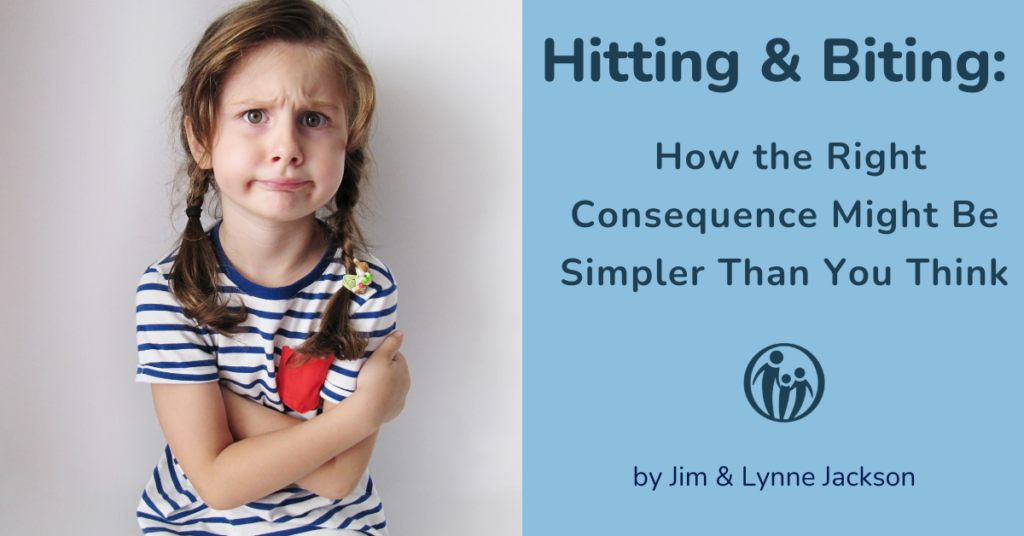
The short answer: The most effective consequence for hitting or biting is a calm, natural one: the child steps away from others until they can make a plan to be safe. This protects everyone while teaching responsibility, and it works better than punishment because it keeps the parent-child relationship intact.
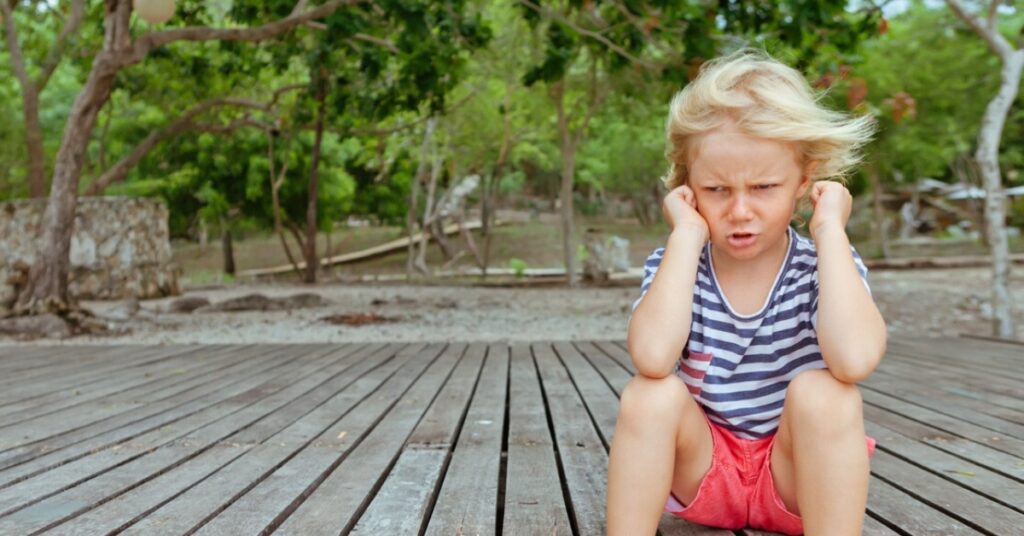
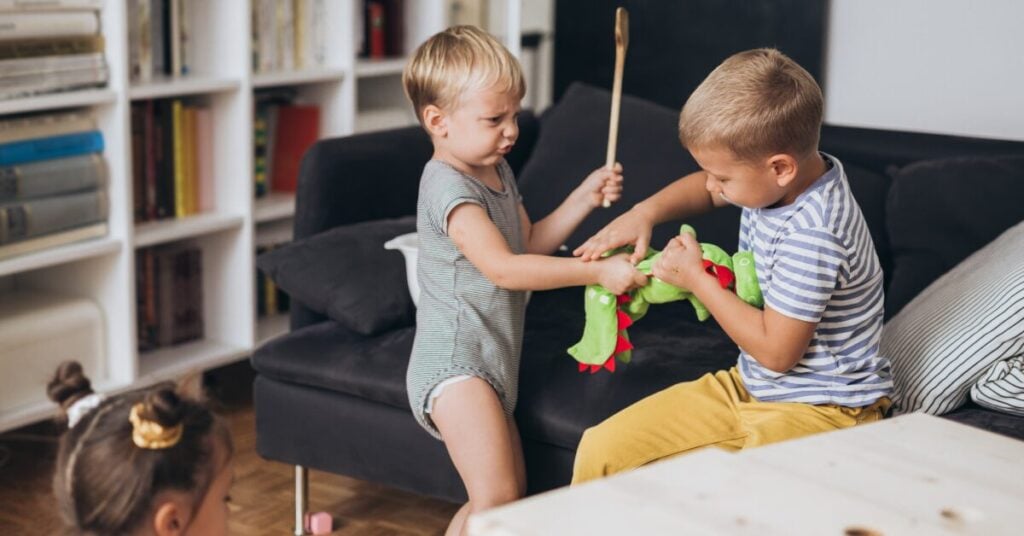
Hitting and biting are really difficult phases for some kids. It can often indicate a child’s need for more big-muscle activity to reduce stress on their nervous system. (See our FREE resource, 60 Ways to Get Kids Moving and Laughing, available in our Free Learning Library!) This almost always improves the problem but may not eliminate it.
And when hitting or biting happens, it’s completely natural if all your mama or papa bear instincts come out to protect their siblings. However, so often, when thinking about appropriate “consequences” for hitting, biting, and other aggressive behavior, what you’re actually looking for is a punishment that will teach your child a lesson. It’s normal for your sense of justice to compel you to punish them. However, are these types of punitive consequences for hitting and biting helpful?
What’s the best consequence for hitting and biting?
Often, punishment is not the best way to teach responsibility and wisdom. Check out this story from Jess for a different way of looking at consequences for aggressive behavior:
“Our 3-year-old son, Chaz, was frequently biting and hitting his siblings. I used to respond by raising my voice to him: ‘Get out of here! Go to your room!’ This resulted in a big fight: ‘NOOOOOOOOOOOOOO, I don’t wanna go to my room! AUGHHHHHHHH!!!!’
Now that I’ve learned to respond calmly, it’s like Chaz is a whole new kid. When he bites his siblings, I take a deep breath, get down on his level, and calmly say, ‘Chaz, it’s important that we make sure other people are safe around us. And when you bite people, that means it’s not safe to be around you. You lose the privilege of being with your sisters for a while until you can make a plan about how to be a safe person again.’ And Chaz separates himself from his sisters! He sensed that we were FOR him while inspiring him to a bigger yes: safety for all. Responding calmly and enlisting Chaz in the plan to be safe has made a huge change in our family!”
Why punishment often backfires for hitting and biting
Did you notice that Chaz still got some helpful space from his siblings? But this time, it wasn’t a rejection but a safety measure of his own choice. What started the shift was a change in his parents’ hearts. This heart change sets the stage for teaching a child the skills to use words instead of fists when starting to get upset.
Often, our desire for “justice” through immediate punishment is actually a selfish desire to feel in control of a difficult situation, and it’s not truly for our child’s benefit. Consider Hebrews 12:10: “They (our parents) disciplined us for a little while as they thought best; but God disciplines us for our good, in order that we may share in his holiness.”
Not sure what to say?
Check out this FREE downloadable and printable PDF, “20 Responsiblity Statements to Help Empower Your Child” Your words could be just the encouragement your child needs at just the right moment.
How to turn a consequence into a teaching moment
With a view to growing your children in God’s holiness, you can put words to the wisdom you want your child to learn from the consequence, just like Jess did when she calmly said, “It’s important that we make sure other people are safe.” This is how we teach children to be responsible for themselves for the benefit of others, even at a young age! Then your child, over time, can learn that you’re not trying to punish them for hitting or other bad behavior; you’re trying to set them up for success, even when that’s hard and painful.
If you’d like some practical ideas, read on for some simple scripts you can use during the messes of daily life. For more ideas, check out this FREE downloadable PDF, “20 Responsibility Statements to Help Empower Your Child.“*
*Many of the ideas in this PDF came from members of the Connected Families community, and we are grateful!
Some simple scripts:
After getting to a peaceful, purposeful mindset, try speaking calmly with your child like Jess did:
- “It’s important that .” (What’s your family value that is being disregarded, and why is it important?)
- “When you , it .” (Discuss the natural impact of the child’s misbehavior on themselves and others.)
- “You lose the privilege of until you can make a plan about .” (Calmly state the privilege lost and what the child can do to responsibly reconcile.)
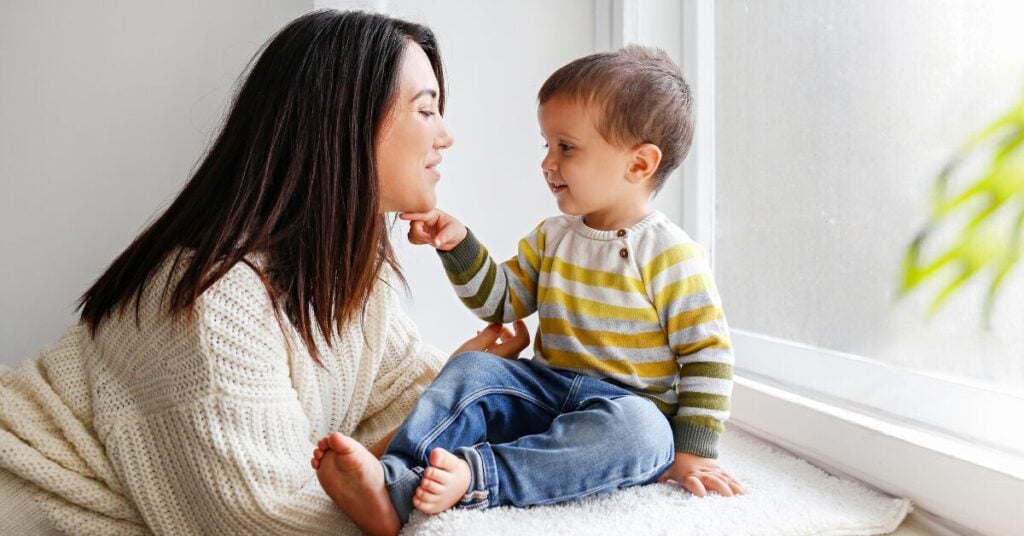
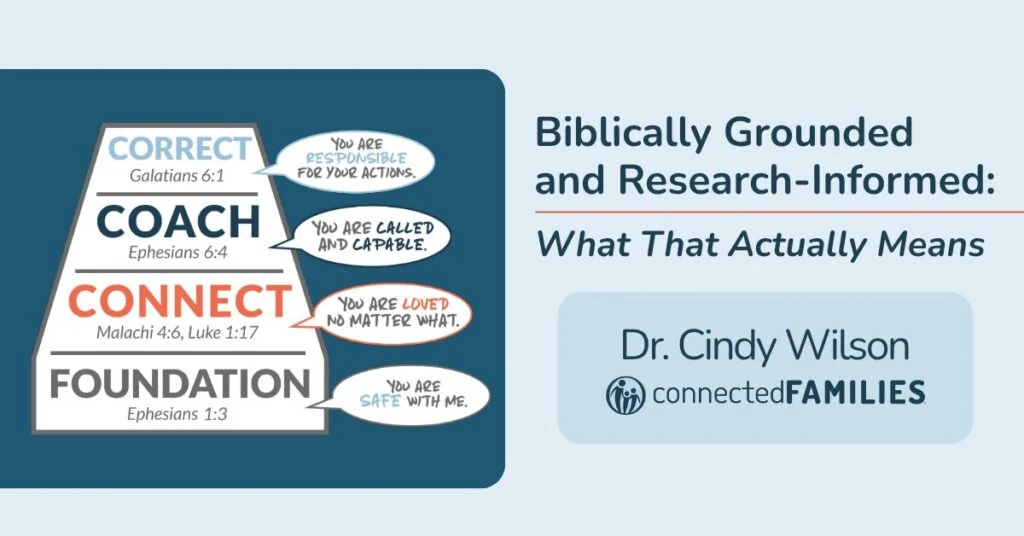
Hitting and biting (or any aggressive behaviors) are challenging for everyone involved. But remember Jess and Chaz. The shift didn’t start with the perfect consequence. It started with a calmer heart and a bigger yes to keep everyone safe. You won’t get it right every time, and you don’t have to. Each calm response you offer, especially after a hard moment, teaches your child that they are safe with you, loved no matter what, and capable of learning to do what’s right and wise. It’s not about eliminating every difficult behavior as quickly as possible. It’s about growing in wisdom and confidence together, one moment at a time.
And when those big behaviors feel especially scary or discouraging, you don’t have to figure it out on your own.
© 2024, 2026 Connected Families